BMW BUYER'S GUIDE
What to Look Out for When Purchasing a Used BMW
Purchasing a used BMW should be an exciting occasion. After all, you’re investing in one of the most rewarding driving experiences on the road. To make sure you get the best value for your money, it’s important to approach the process with the right info. The Beeline Spares BMW Buyer’s Guide will help South African buyers navigate the used BMW market confidently by avoiding common risks and knowing exactly what to look for before making your purchase.
Check for Matching VIN Numbers
One of the first things to check for when purchasing a used BMW, is that all the VIN numbers are present and match the VIN number printed on the license disk. There are four locations where the VIN numbers should be:
• Printed on the license disk
• On the front windscreen (passenger side)
• In the engine bay, under the bonnet – usually on the driver’s side or close to the shock housing
• On the driver’s side B pillar – usually close to the sticker indicating tire inflation specs
If any of these do not match the registration documents, this is a major red flag. According to SANRAL this vehicle is not roadworthy unless accompanied with further paper work and clearances. This gives you direct indication, work has been done on the car.
Check Authenticity of Service History
Service History is important – especially if it’s from a reputable dealer, but let’s face it: in South Africa it’s easy to get a stamp and have someone fill in a service book for a few hundred bucks, so unless it’s a real dealership its always questionable. Authorised dealers should have a digital record of the vehicle’s service history to correspond with the service book.
Interiors – Tell-Tale Signs of Wear
I personally always start by looking at the car from the interior, most people that are passionate about and care of their vehicles look after their immediate environment. If you see scratch marks, badly maintained interiors and filthy panels, chances are that the driver did not look after the engine either. Another thing to look out for is the actual leather, on most of the BMW the seat and steering wheel will tell you volumes about the way the car has been maintained. Casual scuff marks on the side of the seat is standard, but when the seat is torn and the steering wheel has gaping holes and loose thread you know the mileage of this motor is substantial, these issues start to happen from 200 000 km and higher. Last thing you want is a vehicle that’s been driven around for years with a steering wheel and interiors that’s served as a napkin for someone else’s KFC.

Interiors – Tell-Tale Signs of Wear
I personally always start by looking at the car from the interior, most people that are passionate about and care of their vehicles look after their immediate environment. If you see scratch marks, badly maintained interiors and filthy panels, chances are that the driver did not look after the engine either. Another thing to look out for is the actual leather, on most of the BMW the seat and steering wheel will tell you volumes about the way the car has been maintained. Casual scuff marks on the side of the seat is standard, but when the seat is torn and the steering wheel has gaping holes and loose thread you know the mileage of this motor is substantial, these issues start to happen from 200 000 km and higher. Last thing you want is a vehicle that’s been driven around for years with a steering wheel and interiors that’s served as a napkin for someone else’s KFC.
Diagnostics and Error Checks
Modern BMWs are packed with electronics, sensors, and modules – before purchasing, always insist on a full diagnostic scan and print out if it’s from a dealer. This will reveal hidden faults that might not trigger a warning light yet, such as misfires, turbo faults, or VVT adaptation problems as well as many fuel-related concerns. Any real BMW enthusiast will have a basic diagnostic tool or know a guy that knows a guy. Ask for help and get the fault codes read. Remember lots of scammers clear these faults prior to demoing the car so a good idea will be to read the codes before and after the test drive as some will re-appear after a few kilometers of driving. Many South African buyers skip this step, but it’s one of the smartest moves in our BMW Buyer’s Guide because it gives you more insight of the vehicle’s mechanical condition.
Look for Suspension and Bushing Wear
South African harsh roads can be tough on suspension components and BMWs rely heavily on bushings for that signature smooth ride and sharp handling. Be sure to check control arm bushes, sway bar links, rear trailing arm bushes, and shock mounts. Worn parts are common but relatively affordable to replace—especially through your trusted spares supplier for BMWs, Beeline Spares.
After a test drive if you hear knocking sounds under a wheel don’t be afraid to ask for it to be jacked up. See if there is play on the wheel while its in the air most common problems such as control arms or tie rod ends are standard parts that get replaced and not much to be worried about. Look out for physical damage to the components like bends and misshaped corners could be accident related.
At Beeline Spares, we stock a wide range of BMW spare parts to make your life easier. Browse our selection to find the right part for you.
Inspect the Cooling System Thoroughly
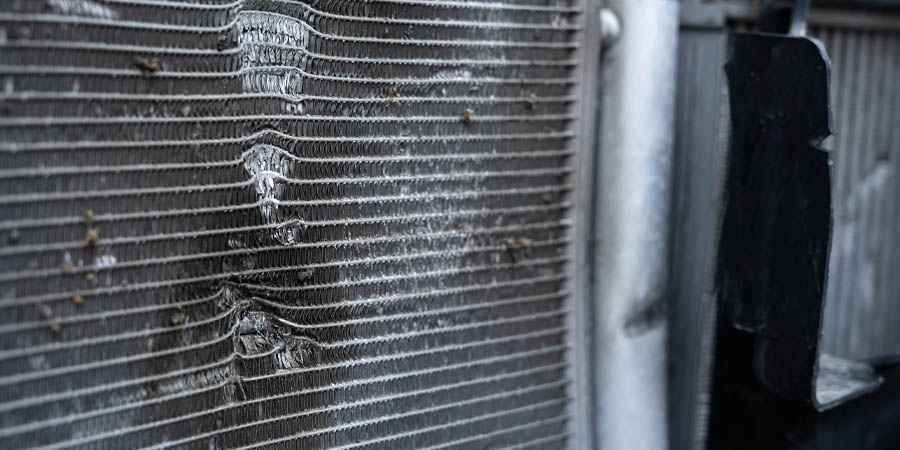
It’s important to inspect components such as the water pump, thermostat, expansion tank and radiator as they can develop cracks or leaks over time. Because South Africa’s warm climate puts additional strain on engines, make sure these parts have been recently replaced or are in good condition. A failed cooling system can lead to engine overheating or head gasket issues, one of the costliest problems to repair. Personality I like finding a non-clean engine bay of a vehicle as it’s easy to see any potential leaks of oil or water when there’s every day dirt and dust in the bay. Sellers will deliberately do a steam clean of an engine trying to hide these things, so after a test drive look under the hood again, if you keep the engine running watch out for oil burning vapours sometimes you can see it and source, just be careful of the turning belts and hot components.
Inspect the Cooling System Thoroughly
It’s important to inspect components such as the water pump, thermostat, expansion tank and radiator as they can develop cracks or leaks over time. Because South Africa’s warm climate puts additional strain on engines, make sure these parts have been recently replaced or are in good condition. A failed cooling system can lead to engine overheating or head gasket issues, one of the costliest problems to repair. Personality I like finding a non-clean engine bay of a vehicle as it’s easy to see any potential leaks of oil or water when there’s every day dirt and dust in the bay. Sellers will deliberately do a steam clean of an engine trying to hide these things, so after a test drive look under the hood again, if you keep the engine running watch out for oil burning vapours sometimes you can see it and source, just be careful of the turning belts and hot components.
Check for Matching Panels or Accident Damage
Look for uneven gaps on your fenders, bonnets and doors compare the driver’s side to the passenger side on a BMW all these gaps are uniformed and almost the same size. If you see a clear difference, you know it was worked on, overspray, or mismatched paint colours that may indicate previous damage as well. If the car was repaired by a reputable panel beater, you will most likely not even be able to pick the problem up, on the other hand if it was a case of “my uncle can do it cheap for you“, it will affect resale value and possibly even its structural integrity. In this BMW Buyer’s Guide, panel inspection is one of the most practical steps to ensure you’re getting a genuine and safe vehicle.
Take Note of Engine-Specific Issues
Every engine has its temperaments and these things show first with neglected or poor maintenance. Doing a simple google search on a specific engine number or model type you will be able to get a list of most common faults what to look out for and how to prevent them. Ensure to test everything—from the iDrive controller to the window switches, sunroof, central locking, and parking sensors. Electronic failures are common and can be costly, but identifying them upfront gives you negotiation power. Don’t believe in the “oh it’s a small thing” negotiation tactics – if it was a small thing the seller would have repaired it prior to advertising the vehicle.
Buy from a Trusted Source and Use Quality Parts
Finally, make sure you’re buying from a reputable dealership or private seller. After purchase, use trusted suppliers like Beeline Spares for affordable OEM-equivalent and high-quality used parts. This ensures your BMW stays reliable for years to come. A used BMW can be one of the best purchases you ever make—provided you follow the right steps. With this BMW Buyer’s Guide, South African shoppers can approach the market with confidence, knowing exactly what to inspect, question, and verify before committing.

Disclaimer: The content provided on the Beeline Spares blog is for informational purposes only. While we aim to offer helpful tips and guidance, Beeline Spares will not be held liable for any damage, injury, or loss resulting from individuals working on their own vehicles. Always consult a qualified mechanic when in doubt.