
Fuel Efficiency Tips for South African Drivers
Proven Ways to Save Petrol Every Day
South African drivers are well aware of the rising petrol price and it doesn’t seem like there’s any relief in the foreseeable future. The good news? You don’t need to buy a hybrid or start car-pooling yet — you just need to change how you drive in small, smart ways that actually work on our roads.
Let’s start with something most people overlook: how you approach traffic lights. In Joburg or Pretoria traffic, you’re constantly stopping and starting. Instead of racing to the red light and braking hard, lift off early and coast. Modern cars, minimize fuel consumption when you’re off the throttle, so you’re literally using almost zero petrol while rolling. In some cases, its actually good for your engine helping you burn of carbon build up of your valves and pistons.
Gear Timing & Road Surfaces
An underrated trick is gear timing (for manual drivers). Don’t wait for the engine to “sound right” — shift earlier than you think. Most engines are happiest (and most efficient) between 1,500–2,500 rpm. Anything above that is just burning extra fuel for no real gain.
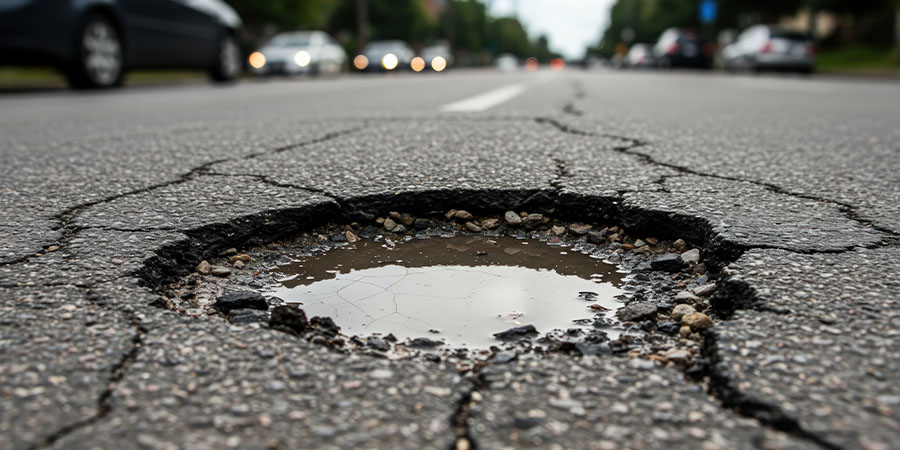
The harsh reality of South African roads is this: bad road surfaces. Potholes and uneven tar force you to constantly adjust speed. The trick? Keep a slightly bigger following distance, allowing you more reaction time to maintain momentum instead of braking sharply every few seconds. Less braking = less fuel wasted getting back up to speed. If someone cuts you off, let them go and carry on at your own pace—you’ll save fuel and money by driving calmly instead of reacting.
Gear Timing & Road Surfaces
An underrated trick is gear timing (for manual drivers). Don’t wait for the engine to “sound right” — shift earlier than you think. Most engines are happiest (and most efficient) between 1,500–2,500 rpm. Anything above that is just burning extra fuel for no real gain.
The harsh reality of South African roads is this: bad road surfaces. Potholes and uneven tar force you to constantly adjust speed. The trick? Keep a slightly bigger following distance, allowing you more reaction time to maintain momentum instead of braking sharply every few seconds. Less braking = less fuel wasted getting back up to speed. If someone cuts you off, let them go and carry on at your own pace—you’ll save fuel and money by driving calmly instead of reacting.
Regular Servicing & Tyres
Regular servicing can significantly reduce fuel consumption. A clogged air filter can increase fuel use by up to 10%, while worn spark plugs may reduce efficiency by around 5%. Old engine oil also increases friction, forcing the engine to work harder and burn more fuel over time. Don’t forget those fuel filters (especially in diesel engines), they make a big difference for your engine performance.
Tyres are another big one. Underinflated tyres increase rolling resistance, meaning your engine works harder. Check them monthly — especially with temperature changes.
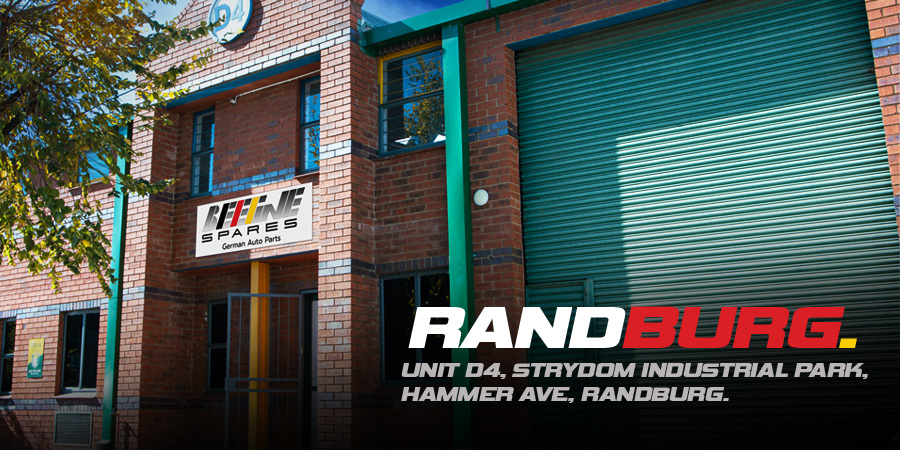
At Beeline Spares, we stock a wide range of BMW & Mercedes service parts to keep your vehicle running like new. Browse our selection to find the right part for you.
Trip Distance and Loading Weight
One reality that surprises a lot of drivers: short trips are the most expensive trips. Your engine runs rich (uses more fuel) when cold. If you’re doing multiple errands, combine them into one trip. You’ll use noticeably less petrol. If possible, choose a route with fewer stops and less stop-and-go traffic. Even if it’s a kilometer or two longer, you’ll use less fuel by maintaining a smoother, more consistent drive.
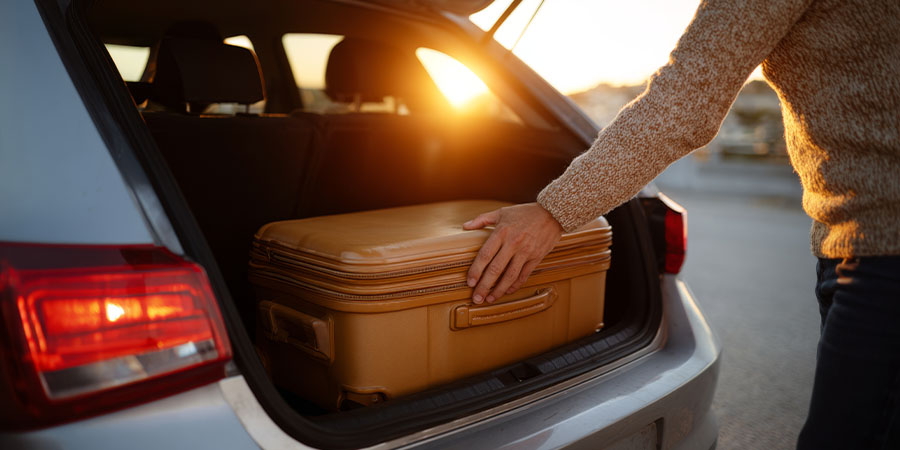
And then there’s weight. South Africans love driving around with half their life in the boot — tools, boxes, gym bags, you name it. An additional weight of 50kg can increase your fuel consumption by up to 3%. Clear it out, it really makes a difference.
Trip Distance and Loading Weight
One reality that surprises a lot of drivers: short trips are the most expensive trips. Your engine runs rich (uses more fuel) when cold. If you’re doing multiple errands, combine them into one trip. You’ll use noticeably less petrol. If possible, choose a route with fewer stops and less stop-and-go traffic. Even if it’s a kilometer or two longer, you’ll use less fuel by maintaining a smoother, more consistent drive.
And then there’s weight. South Africans love driving around with half their life in the boot — tools, boxes, gym bags, you name it. An additional weight of 50kg can increase your fuel consumption by up to 3%. Clear it out, it really makes a difference.
Your Vehicle's Built-in Technology
Finally, use your car’s built-in tech. Many BMWs, for example, have ECO modes and shift indicators designed to reduce consumption by optimising engine behaviour. These systems are part of BMW’s EfficientDynamics strategy, which includes things like auto start-stop and brake energy recovery to reduce fuel use.
Fuel Efficient BMW Models
As an added extra, we’ve compiled a list of 5 Most Fuel-Efficient BMWs in their class.
BMW 320d (late 2018–2022, G20 Hybrid)
Claimed consumption: 4.2–4.7 L/100km. Its 2.0L turbo-diesel and mild-hybrid system improve efficiency by assisting during acceleration and reducing load during cruising.
BMW 118d (2015–2019, F20 LCI)
Claimed consumption: 3.8–4.4 L/100km. A lightweight hatch with an efficient diesel engine and low rolling resistance, ideal for daily commuting.
BMW 330e (2019–present, G20 Plug-in Hybrid)
Claimed consumption: 1.6–2.0 L/100km (combined). Plug-in hybrid tech allows electric-only driving for short trips, drastically lowering fuel use in urban conditions.
BMW i3 (2013–2022)
Claimed consumption: 0.0 L/100km (fully electric). Its carbon-fibre construction and electric drivetrain deliver exceptional efficiency, especially in city driving.
BMW X1 sDrive18d (2015–2022, F48)
Claimed consumption: 4.1–5.2 L/100km. This compact SUV combines a frugal 2.0L diesel engine with a relatively lightweight platform for its class, delivering excellent fuel economy without hybrid assistance—making it a practical, efficient choice for everyday driving.

Disclaimer: The content provided on the Beeline Spares blog is for informational purposes only. While we aim to offer helpful tips and guidance, Beeline Spares will not be held liable for any damage, injury, or loss resulting from individuals working on their own vehicles. Always consult a qualified mechanic when in doubt.


